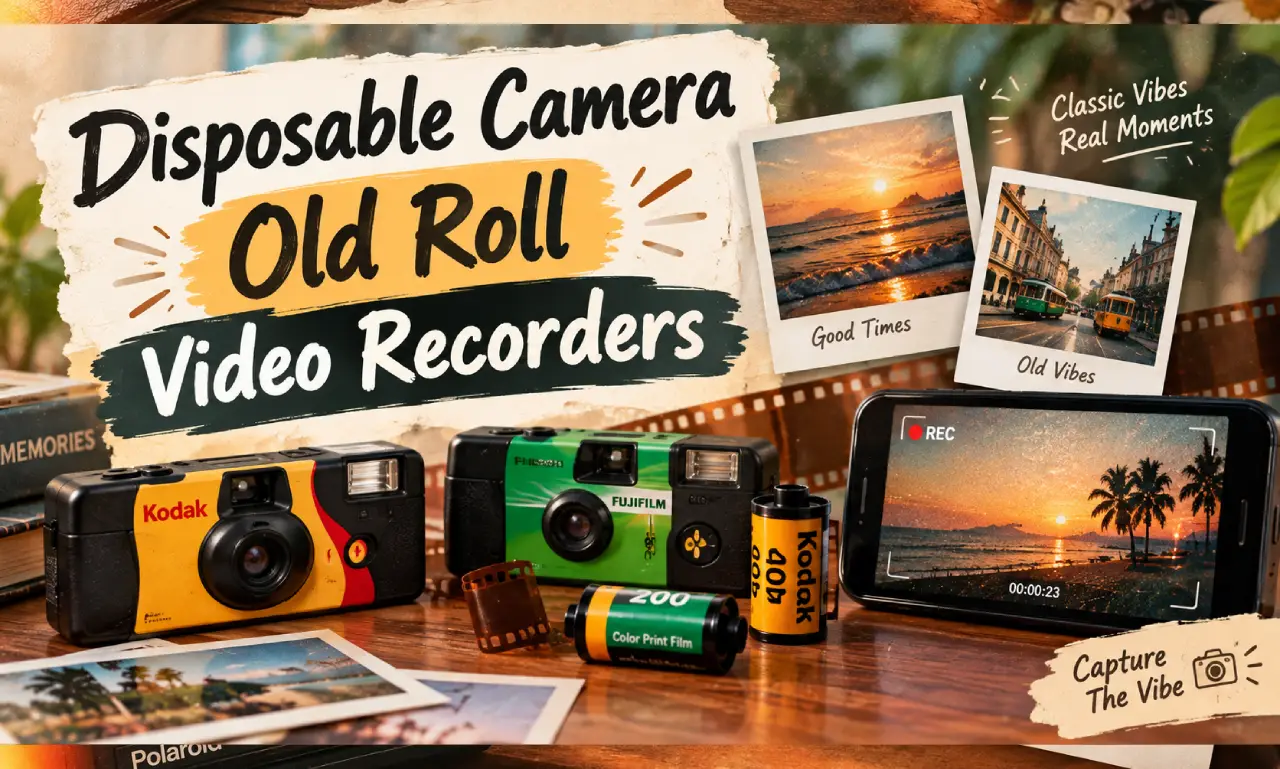
Disposable Camera Old Roll Video RecordersDisposable Camera Old Roll Video Recorders: Features, Retro Effects, and Creative TipsDisposable Camera Old Roll Video Recorders
Disposable Camera: Old Roll Video Recorders offer an interesting way to explore vintage photography and nostalgic video styles. Soft colors, visible grain, warm tones, date stamps, and light leaks help create a classic visual mood. Old Roll is known for its film-inspired camera effects and analog photography styles. Its available features depend on the app version and camera mode. Users should check the current version to confirm which video recording options their device supports. This guide explores disposable camera aesthetics, Old Roll features, creative recording ideas, video quality tips, and ways to create nostalgic clips for social media.
What Are Disposable Camera Old Roll Video Recorders?
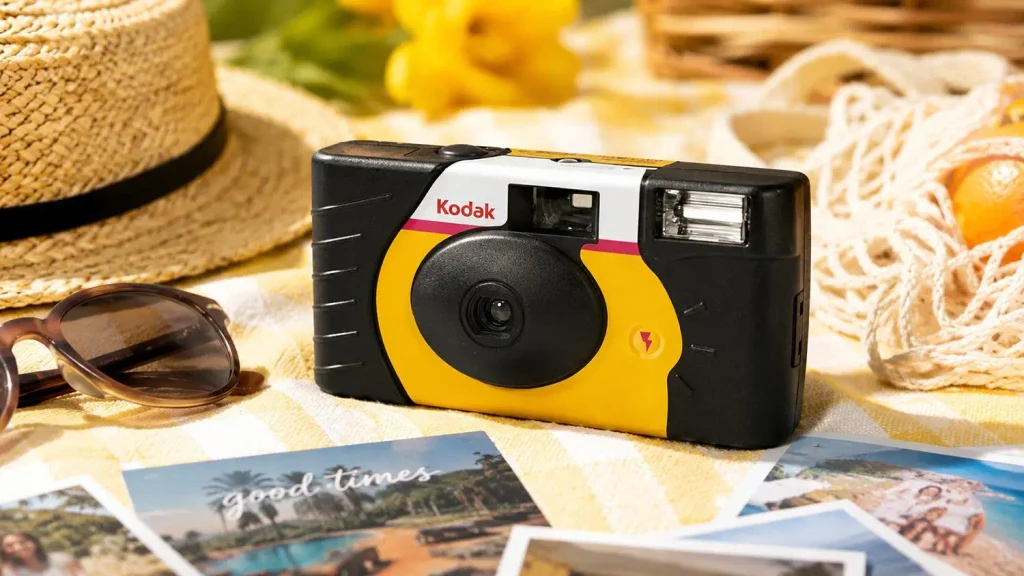
Disposable cameras use simple controls and film to capture everyday moments. Their photographs often feature distinctive colors, direct flash, visible grain, and imperfect lighting. These qualities give the images a spontaneous, personal feeling. Old Roll brings a similar visual style to digital photography through film-inspired camera designs, filters, and color effects. The app appeals to people who enjoy the look of classic film cameras without carrying physical film equipment. The phrase “Disposable Camera Old Roll Video Recorders” describes the combination of disposable-camera aesthetics and retro video recording. It does not necessarily refer to a dedicated Old Roll video recorder. Users should confirm video support before choosing the app for a video project.
Why Are Vintage Video Recording Effects So Popular?
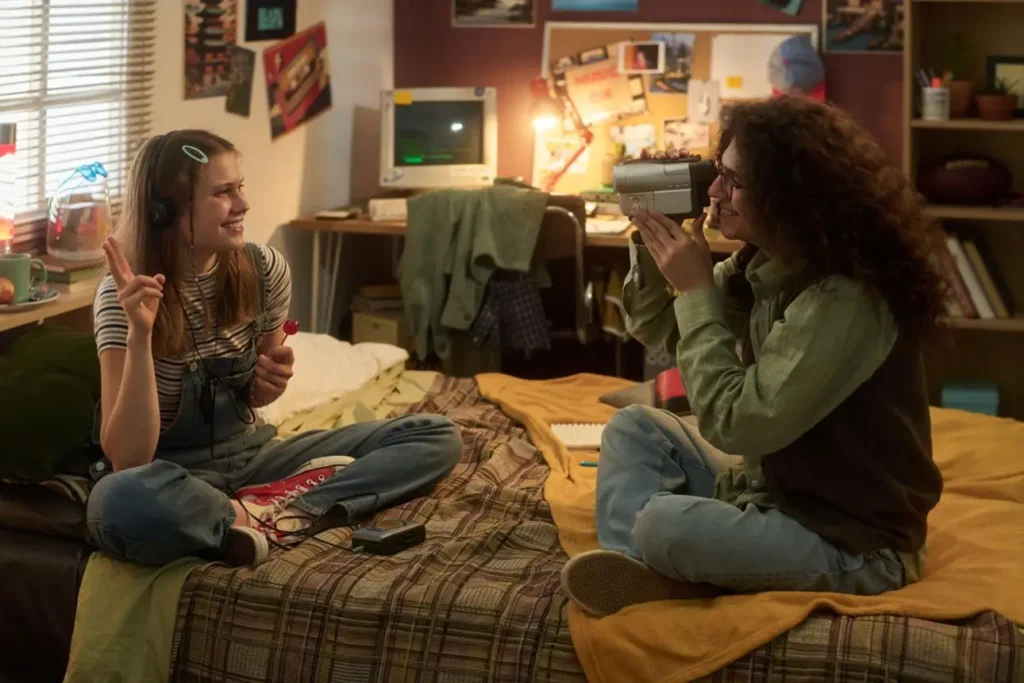
Vintage visuals bring a personal touch to digital content. Modern phone cameras often produce sharp images with accurate colors and strong detail. Retro effects offer a different visual experience.Creators use nostalgic styles for several reasons:
Vintage effects work well for candid moments, street scenes, birthday celebrations, and short travel clips. A simple recording can feel more personal when the visual style matches the story.
How Old Roll Creates a Disposable Camera Look
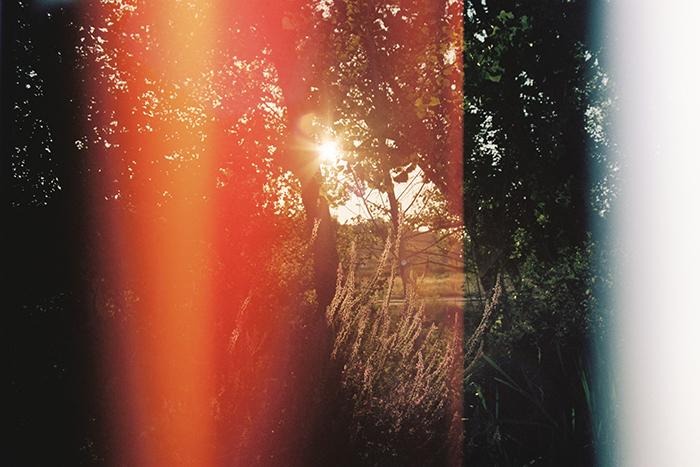
Disposable Camera Look
Old Roll focuses on camera-inspired visual styles. Its camera simulations aim to recreate characteristics associated with film photography.
1- Film-Inspired Color Grading
Warm highlights, muted shadows, faded colors, and gentle contrast can make images resemble older film photographs. Different camera styles produce different moods.
2- Analog Film Grain
Grain adds tiny variations across an image. A subtle amount can create a film-like texture without distracting from the subject.
3- Light Leaks and Vintage Textures
These effects can add character to portraits, landscapes, and artistic compositions.
4- Classic Camera Designs
Camera modes inspired by vintage equipment give users a way to explore different visual styles. Each mode may offer its own color treatment and image characteristics. Important: A film-style photo filter does not automatically mean the app supports video recording with the same effect. Check the available camera modes and recording controls in your installed version.
Main Features of Old Roll Video Recorder Effects
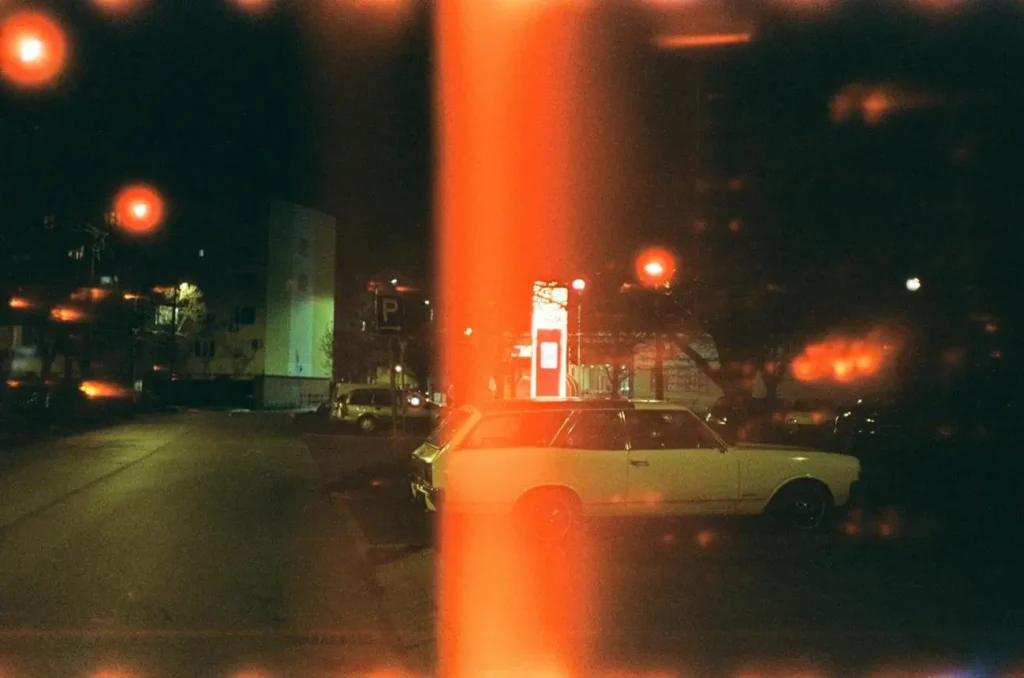
Retro camera effects can change the appearance of a video without requiring complex editing software. The following features help explain the style associated with disposable camera visuals. 1. Vintage Color Filters
Vintage filters change color balance, contrast, and saturation. Cooler tones can give night scenes a cinematic appearance. Strong effects can hide facial details or make skin tones look unnatural.
2. Film Grain Texture
Film grain creates a textured appearance across the image. It works well for street footage, old buildings, portraits, and evening scenes. Fine grain usually preserves more detail than a heavy texture. Keep the effect subtle when the clip contains movement or small subjects.
3. Flash-Inspired Photography
Direct flash is a recognizable feature of many disposable camera photographs. It creates bright subjects and darker backgrounds in low-light environments. A flash effect added during editing differs from a real camera flash. Some phones cannot use their physical flash while recording video. Check your camera settings before filming at night.
4. Date Stamps and Retro Details
Date stamps, borders, and vintage overlays can make content resemble old family recordings. These details work well in birthday videos, holiday diaries, and personal memories. Use accurate dates when the app supports date customization.
5. Simple Camera Controls
A straightforward camera interface helps users focus on the scene instead of complicated adjustments. Basic controls such as focus, exposure, and zoom can make everyday recording easier. The exact controls vary by device, app version, and selected camera mode.
Exploring Retro Filters and Analog Color Tones
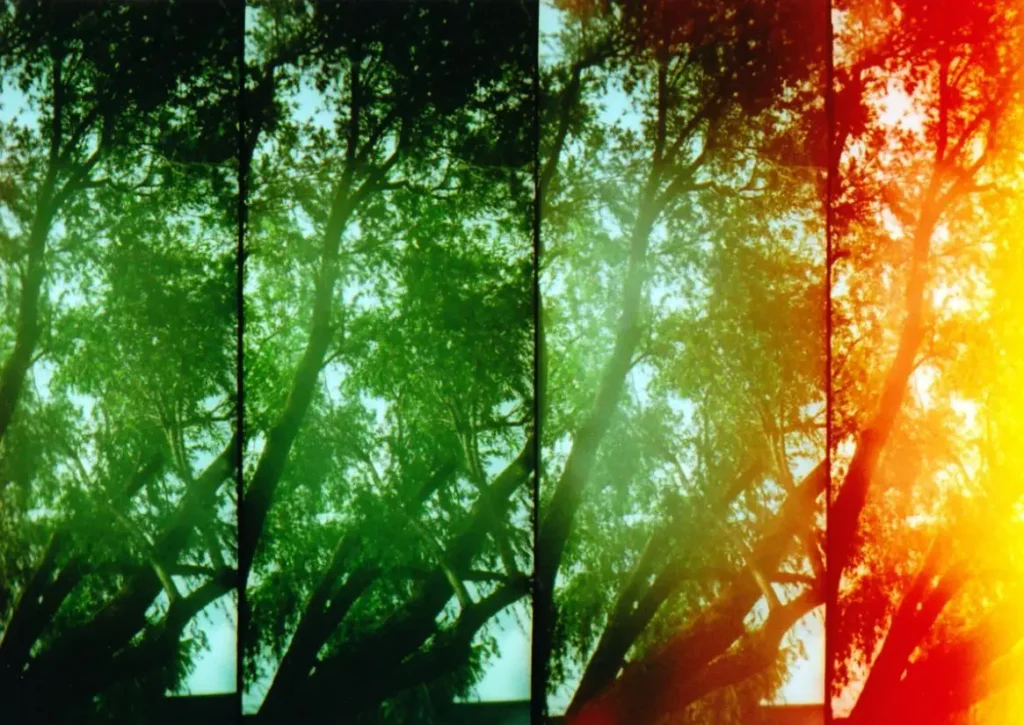
Color has a major effect on the emotional tone of a video. Disposable-camera aesthetics often feature warm highlights, slightly faded colors, and imperfect exposure.
1- Warm Vintage Tones
Warm tones suit sunsets, indoor gatherings, cafés, and travel memories. Orange highlights and gentle contrast can make these scenes feel intimate.
2- Faded Film Colors
Faded colors reduce the intense appearance of modern digital footage. This style works well for quiet landscapes, old buildings, and nostalgic portraits.
3- Cool Retro Tones
Cool blue or green tones create a different atmosphere. They can suit rainy streets, night scenes, and urban architecture.
4- High-Contrast Flash Style
High contrast creates bright subjects and deeper shadows. This look resembles snapshots taken with a direct flash in dark environments. Match the color style to the subject. A single consistent filter can help a series of clips feel connected.
How Film Grain Adds a Vintage Feel to Videos
Film grain gives an image a textured surface. Digital footage often looks clean and smooth, especially when a phone applies noise reduction. Grain introduces small variations that imitate the appearance of analog film. A light grain effect can improve the nostalgic mood of a clip. Street footage, candid portraits, and outdoor scenes often suit this treatment.
Heavy grain can reduce clarity. Moving subjects may look rough or blurry when the texture becomes too strong. Details can disappear in dark areas. For a balanced result, record a clear original video and apply a moderate grain effect during editing. Keep faces, signs, and important objects easy to recognize.
Old Roll for Parties and Events
Disposable cameras have always been associated with social events. People used them to capture informal moments rather than carefully staged photographs. The same idea works with video. A birthday party can be recorded through short clips. Friends laughing, candles being blown out, people dancing, food being served, and decorations can become part of a retro video diary.
The imperfect look suits these situations. A highly polished video can feel like professional event coverage. A disposable camera-style recording feels more personal. The date stamp can become especially useful for event memories. Years later, the visual timestamp can make the recording feel more authentic.
Retro Video for Social Media
Social media platforms are filled with highly edited content. Vintage-style videos provide a different visual identity.
Short retro clips can work well for:
The effect can become part of a creator’s visual identity. A consistent camera style can make multiple posts feel connected. A creator might use warm film colors for travel content or a disposable-camera look for daily-life clips. The key is consistency. Too many unrelated effects can make a feed feel visually confusing
Low-Light Recording
Low-light recording is one of the most challenging areas for vintage camera apps. Smartphone sensors need enough light to produce clean footage. Dark scenes naturally contain less information. Grain becomes more visible. Shadows may lose detail. A disposable-camera effect can increase the nostalgic feeling. The result may resemble old home-video footage. There is a limit.
A small light source can improve the scene dramatically. Street lamps, room lights, window light, or decorative lighting can provide enough illumination. Users should avoid pointing the camera directly at a strong light. Excessive brightness can create blown-out areas in the frame. A balanced scene produces a better retro result.
Portrait Video Recording
Portrait video can look interesting with vintage effects. Faces are naturally strong subjects for nostalgic footage. Grain, warm colors, and soft contrast can create a classic family-video feeling. The subject should have enough light. Front-facing light usually works better than strong backlighting. A person standing near a window can provide soft natural illumination. Outdoor shade can produce a similar effect. The camera should remain at a comfortable distance. Extreme digital zoom can reduce quality. A disposable-camera style does not require perfect framing. Slight imperfections can support the aesthetic.
Selfie Video Experience
Selfie videos can benefit from a retro treatment when the goal is casual content. The front camera is convenient for personal diaries, short messages, travel updates, and social media clips. Vintage effects can make selfies feel less like polished influencer content. The footage can resemble a personal recording from an older camcorder. Lighting still matters.
A face facing a window usually looks clearer than a face positioned against a bright window. Indoor lighting can create warmer skin tones that match the vintage style. The final look should remain comfortable to watch. Strong grain or extreme color effects can make facial details difficult to recognize.
Camera Controls
Disposable camera-style apps generally focus on simplicity.
Users may find controls for:
The exact controls depend on the version and selected camera. A simple interface fits the disposable-camera concept. Physical disposable cameras had very few settings. The user pointed, framed the subject, and pressed the shutter. A mobile version can reproduce that simplicity while providing more digital flexibility.
Vintage Filters and Effects
Filters define much of the Old Roll experience. Different effects can simulate different generations of film cameras. One style may produce warm tones. Another may use stronger grain. A different camera can create faded colors or cooler shadows. A bright outdoor scene can work with faded colors. A night street scene may benefit from warmer tones. A party video can use stronger grain and a date stamp. The filter should support the footage rather than hide it. Heavy effects can become distracting when used across every scene.
Sound in Retro Videos
Visual effects receive most of the attention in vintage camera videos. Old home videos often feel memorable because of natural background audio. People talking, traffic, music, footsteps, wind, and room noise can make a recording feel real. A clean modern soundtrack can change the mood completely. Users creating nostalgic videos may want to preserve natural audio. A short conversation or laugh can make the footage more personal. External music can be added during editing when a cinematic presentation is needed.
Storage Requirements
Video files use more storage than photographs. Recording resolution, frame rate, duration, and compression affect file size. Longer videos require more space. A collection of ten-second clips can tell a complete story without consuming excessive storage. Cloud storage or regular file transfers can help keep the phone organized. The vintage effect itself may not be the main factor affecting storage. Video resolution and duration usually have a greater impact.
Battery Usage
Video recording uses more battery than simple photography. The camera sensor remains active during recording. The display stays on. Real-time effects may require additional processing.Short clips are more practical for disposable-camera-style content. A power bank can help during travel days or events. Reducing unnecessary screen brightness can help preserve battery life. A phone with a healthy battery usually provides a better recording experience.
Performance on Android Devices
Performance depends on the smartphone’s processor, RAM, camera hardware, Android version, and app version. Modern mid-range and flagship phones can usually handle camera effects comfortably. Older devices may experience slower processing. Real-time filters can require additional resources. Recording while applying grain, color effects, or other visual treatments may increase processor usage. Users experiencing lag can try closing background applications. App updates can change performance characteristics. A newer version may improve optimization or introduce heavier visual effects.
Advantages of Disposable Camera Old Roll Video Recorders
Disadvantages of Disposable Camera Old Roll Video Recorders
The retro recording concept has several strengths.
- Simple Recording Users can capture clips without complicated professional controls.
- Creative Effects Grain, faded colors, light leaks, date stamps, and other effects create multiple visual possibilities.
- Smartphone Convenience No physical film camera is required. Recording can happen directly from a mobile device.
- Social Media Friendly Short vintage clips can work well for personal posts and creative content.
- Personal Feeling The imperfect appearance can make ordinary moments feel more memorable.
- Multiple Styles Different camera looks can suit different scenes and moods
The style is not perfect for every situation.
Disposable Camera Style vs Modern Smartphone Video
Disposable Camera Style vs Traditional Film Cameras
Traditional film cameras create an authentic analog image through physical film. The final appearance depends on film stock, lens, exposure, development, scanning, and other factors. A mobile app uses digital processing. The two experiences are not identical. Physical film has natural variations that software may imitate but cannot perfectly reproduce. Mobile recording offers greater convenience. There is no film to purchase. No development process is required. The footage can be shared immediately. Traditional film remains attractive to photographers who enjoy the physical process. Mobile vintage apps appeal to people who want the appearance without the complexity.
Best Situations for Old Roll Video Recording
Old Roll-style video effects can suit many casual situations.
The style works best when the subject already has an emotional or nostalgic quality.
Is Old Roll Good for Video Recording?
How to Make a Retro Video Feel Authentic
Authenticity does not come from adding the maximum number of effects.
Common Mistakes to Avoid
Frequently Asked Questions
Disposable Camera Old Roll Video Recorders refer to mobile video recording experiences that recreate the appearance of disposable cameras, old film cameras, and vintage camcorders. The style can include grain, faded colors, light leaks, date stamps, and retro color treatments.
Video recording availability can depend on the specific Old Roll version, camera style, device, and platform. Users should check the features provided by their installed version before relying on a particular recording mode.
It can resemble film through digital effects, but it is not identical to physical film. Real film has chemical characteristics that software effects attempt to reproduce digitally.
They can be used for creative professional projects when the style fits the concept. Commercial videos requiring accurate colors and high clarity may need a more traditional camera workflow.
Retro effects can turn ordinary streets, food, landscapes, and personal moments into nostalgic travel memories.
Video recording generally uses more battery than taking individual photos. Real-time visual processing can increase power consumption.
Natural daylight and soft window light usually produce strong results. Bright but balanced lighting helps preserve detail.
A smartphone can be enough for casual retro video creation. The phone provides the camera hardware while the app supplies the vintage visual treatment.
Date stamps can make videos feel like old personal recordings. They work particularly well for birthdays, trips, daily diaries, and family memories.
Conclusion
Disposable Camera Old Roll Video Recorders offer a creative alternative to perfectly polished smartphone footage. The concept combines modern mobile convenience with the visual personality of disposable cameras and older film devices. The strongest feature is the nostalgic atmosphere. Film grain adds texture. Warm colors create a familiar feeling. Faded tones soften the image. Light leaks add imperfections. Date stamps can make modern footage resemble old personal recordings.
The style works especially well for travel memories, parties, family events, casual portraits, social media clips, and personal video diaries. Users should not expect the same technical quality as a modern professional camera. The purpose is different. Disposable-camera-style video focuses on mood, personality, and memory rather than maximum sharpness. Lighting remains important. Short clips usually produce better results.
Moderate effects tend to look more natural. Real background audio can make the finished video feel more personal. Old Roll-style recording is a good option for anyone who wants smartphone videos to feel less polished and more nostalgic. The appeal comes from imperfection. A little grain, a faded color palette, and a simple date stamp can turn an ordinary recording into something that feels like a memory from another time.