Old Roll Mod APK in Other Languages – Global Download Guide
Photography has become a daily habit for millions of smartphone users. People take pictures during trips, family events, street walks, food outings, and simple moments at home. Modern phone cameras produce sharp images with strong colors. Many users still prefer the softer appearance of old film photography.
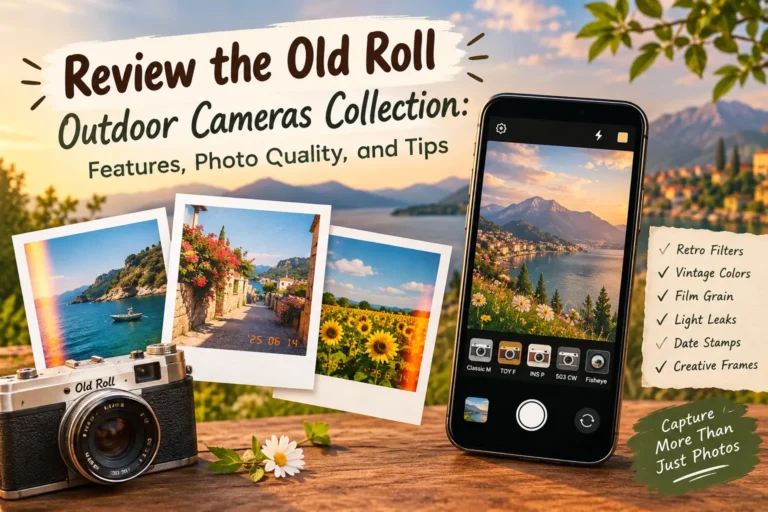
Old Roll is known for its retro camera experience. The app focuses on vintage-style photography with effects inspired by disposable cameras, film cameras, Polaroid-style images, and classic analog photography. Grain, faded tones, light leaks, date stamps, and soft colors can give digital photos a more nostalgic appearance. People from different countries may search for Old Roll in their own languages.
Search terms can vary by region. Installation questions can also look different depending on the language used by the user. This guide explains how people can understand Old Roll and APK-related information across different languages. It also covers language settings, regional searches, compatibility, installation considerations, and safe downloading habits.
What Is Old Roll Mod APK?
Old Roll is a mobile photography application designed around retro camera styles. Its visual effects aim to recreate the appearance of older photographic formats. The app can provide different camera experiences. Some styles focus on film grain. Others create disposable camera effects or instant-photo aesthetics. Certain camera options can add date marks, light leaks, faded colors, or other vintage details. Old Roll can be useful for people who want a different look from the standard smartphone camera.
The app is especially relevant to users interested in:
The exact features can depend on the app version and device.
Why Search for Old Roll in Other Languages?
Not every user searches for applications in English. A person in Spain may search using Spanish words. A user in France may use French. Someone in Japan may search with Japanese terms. Language affects search behavior.
Users may search phrases such as:
Those phrases can be translated into local languages. A localized search can help users find information that is easier to understand. It can also make installation instructions clearer for people who are not comfortable reading English.
Old Roll in English
Old Roll in English is widely used for app-related searches. Many websites publish Old Roll guides, feature explanations, installation instructions, and camera-effect tutorials in English. Common English search phrases include:
English-language guides often contain information about features, Android compatibility, installation steps, camera effects, and troubleshooting. Users should check the date of an article before relying on version information. APK files can change between releases.
Old Roll in Spanish
Spanish-speaking users may search for Old Roll using phrases related to camera vintage or camera retro.
Examples include:
The word camera means camera in Spanish. Descartes means download. A Spanish-language guide can make installation instructions easier for users who prefer Spanish. The app interface itself may not contain every language listed in online articles, so users should check the available language options inside the application.
Old Roll in French
French users may search for Old Roll with terms related to photography and vintage cameras. Common phrases can include:
The French word apparel photo refers to a camera.
Users looking for a French version should distinguish between a translated article and a translated application. A website can provide French instructions without changing the language of the app itself.
Old Roll in Portuguese
Portuguese-speaking users may search for Old Roll using terms associated with retro photography.
Examples include:
The word Bailey is commonly used for downloading. Users in different Portuguese-speaking regions may use slightly different search phrases. The main purpose remains the same: finding information about the retro camera application.
Old Roll in Italian
Italian users can search for Old Roll using photography-related Italian terms.
Examples include:
The Italian fotocamera means camera. A localized guide can explain technical information in a familiar language. Users should still verify the application version and source before installation.
Old Roll in Turkish
Old Roll in Turkish users may search for Old Roll using terms connected with vintage photography.
Examples include:
The word India is commonly associated with downloading. A Turkish guide can help users understand setup instructions without relying on English terminology.
Old Roll in Indonesian
Indonesian users may search for Old Roll with phrases related to camera vintage and retro photography.
Examples include:
Indonesian-language content can make technical instructions easier to follow.
Old Roll in Japanese
Japanese users may search for Old Roll with Japanese terms related to retro cameras and film photography.
Search phrases can include:
Japanese searches may combine English app names with Japanese keywords. This type of search is common for international applications. The app name may remain in English while descriptive words appear in Japanese.
Old Roll in Korean
Old Roll in Korean users can search for Old Roll with words connected to vintage and film cameras.Examples include:
The Korean terms can help users locate localized guides and discussions. The application language and the language of an installation guide are separate things. Users should check both before assuming that the complete application is available in Korean.
Old Roll in Chinese
Chinese-speaking users may search for Old Roll with phrases related to retro cameras and film effects.
Possible searches include:
The Chinese terms can vary between simplified and traditional Chinese users. A translated guide can explain the installation process in the user’s preferred language. The original application may have its own language limitations.
Does Old Roll Support Every Language?
1- An important point is the difference between online information and application localization.
2- A website can publish an Old Roll guide in many languages. That does not mean the Old Roll application supports all those languages.
3- Application language support depends on the version released by the developer. Android system language settings can also affect some applications.
4- Users should open the application settings and look for a language option if one is available.
5- If there is no language selector, the app may use the device language or provide a fixed interface language.
Changing the Android Language
Some users change their phone language to test whether an application supports a different language.
The general Android process can look like this:
1.Open Android Settings.
2.Find System or General Management.
3.Open Language and Region.
4.Select languages.
5.Add the preferred language.
6.Move the selected language to the required position.
7.Open Old Roll again.
The exact menu names depend on the Android manufacturer and operating system version. Changing the phone language does not guarantee that Old Roll will change language. Application localization controls the final result.
Searching for Old Roll APK in Your Language
Search engines can recognize many languages. Users can combine the application name with local photography terms. A useful search structure is: Old Roll + APK + your language. Another option is: Old Roll + vintage camera + your language. Users can also search for the current version number if they need information about a particular release. Version numbers matter because older APK information may not match the current application.
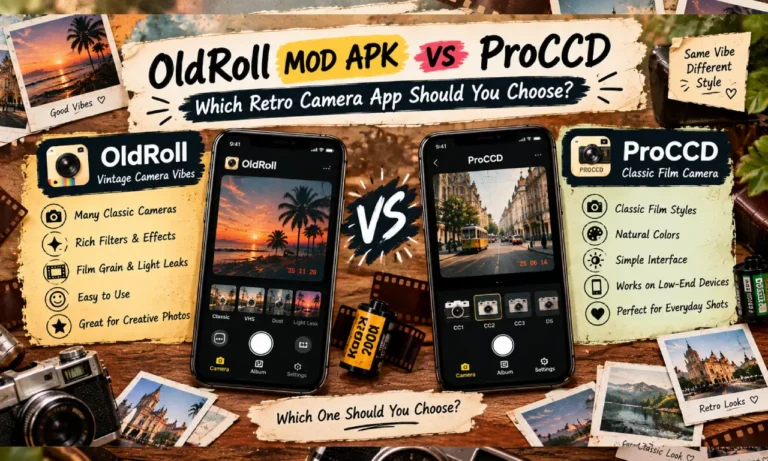
What Does “Mod APK” Mean?
Old Roll APK and Official App
Checking an APK Before Installation
An APK should be treated like any downloaded software file. Users can check:
A file with unusual permissions deserves additional attention. A photography application may need access to photos or camera functions. Permissions unrelated to the app’s purpose can raise questions.
Common Problems With International Downloads
Users searching from different countries can encounter several problems.
Language Confusion
Installation instructions may be written in a language the user does not understand. A translated guide can solve part of this problem.
Version Confusion
Different websites may list different Old Roll versions. The latest-looking page is not automatically the newest release.
Device compatibility
An APK can fail to install when the Android version or device architecture is incompatible. The problem can also come from an incomplete download.
Existing Installation
An existing version of Old Roll can create installation conflicts with another package. Users should check whether an older version is already installed.
Security Warnings
Android may display a warning when an APK comes from an unknown source. The warning should not be ignored automatically. Users should verify the source before deciding what to do.
Tips for a Better Global Download Experience
Why Old Roll Appeals to International Users
Old Roll for Travel Photography
Travel photos often contain memories connected to specific places. A clean smartphone image records the scene with modern clarity. A retro effect can create a different emotional appearance.
Old Roll-style effects can work well with:
The final appearance depends on the camera style and lighting conditions.
Old Roll for Social Media
Retro photography has become popular in social media content.
Creators may use vintage effects for:
A consistent camera style can give a photo collection a recognizable appearance. Users should avoid applying heavy effects to every image when the original photo already contains strong colors or contrast.
Is a Localized Guide Better?
The usefulness of a guide depends on the user’s language preference. A beginner may understand installation instructions more easily in their native language. An experienced Android user may prefer English technical documentation.
The important information remains the same:
Language changes the presentation. It does not change the basic installation requirements.
FAQ
Old Roll can be used by Android users in many regions when the device and application version are compatible. Availability of specific features can depend on regional and technical conditions.
The term Mod APK normally refers to an unofficial modified version of an Android application. Users should not assume that a modified file is distributed or supported by the original developer.
The country or language of a download page does not determine whether an APK is safe. Check the source, permissions, file details, and security information before installing an unfamiliar APK.
The website language and application language are separate. A translated webpage does not mean that the APK contains the same language.
Yes. Retro photography styles can be used for portraits, travel pictures, street photography, food images, and social media content regardless of the user’s location.
Final Verdict
Old Roll Mod APK in Other Languages is a search topic that combines retro photography with the needs of a global Android audience. Users from different countries may want familiar menus, translated instructions, and easier access to photography tools. A language-specific download page does not necessarily mean a separate regional APK exists.
Language support depends on the application version and the resources included by its developer. Android language settings can also influence the experience on supported devices. Old Roll’s retro photography concept works across language barriers.
Film grain, vintage colors, light leaks, soft tones, and classic camera styles can give digital photographs a nostalgic character. Users should focus on application authenticity, compatibility, permissions, and security when considering any APK. Language is only one part of the overall experience. A safe installation and a suitable application.